The technology
behind the tonnes.
How Direct Ocean Capture works, what is proven, and the five questions a buyer should ask before signing.
What a buyer should verify.
Five questions; the full checklist is in the diligence guide.
- Where is the tonne measured — at the plant, or modelled in the ocean? Evidence · Methodology
- What energy does it use, and what is net removal after life-cycle emissions? Economics · Energy boundary
- Where does the CO₂ go, and for how long? Project · Evidence
- What is proven today, and what is not? On this page
- Who owns the technology, and what is Carbonjour's role? Company · Evidence
How it works.
Intake
Filtered seawater enters.
Softening
About 0.5% of the flow is softened.
Electrodialysis
Renewable power splits water into acid and base; ~60% of system energy.
Acidification
pH falls from ~8.1 to ~4; carbon becomes CO₂.
Degassing
Vacuum membrane contactor extracts CO₂, above 90%.
Neutralisation
Base restores alkalinity.
Return
Low-CO₂ seawater re-absorbs CO₂.
One membrane stack, several markets.
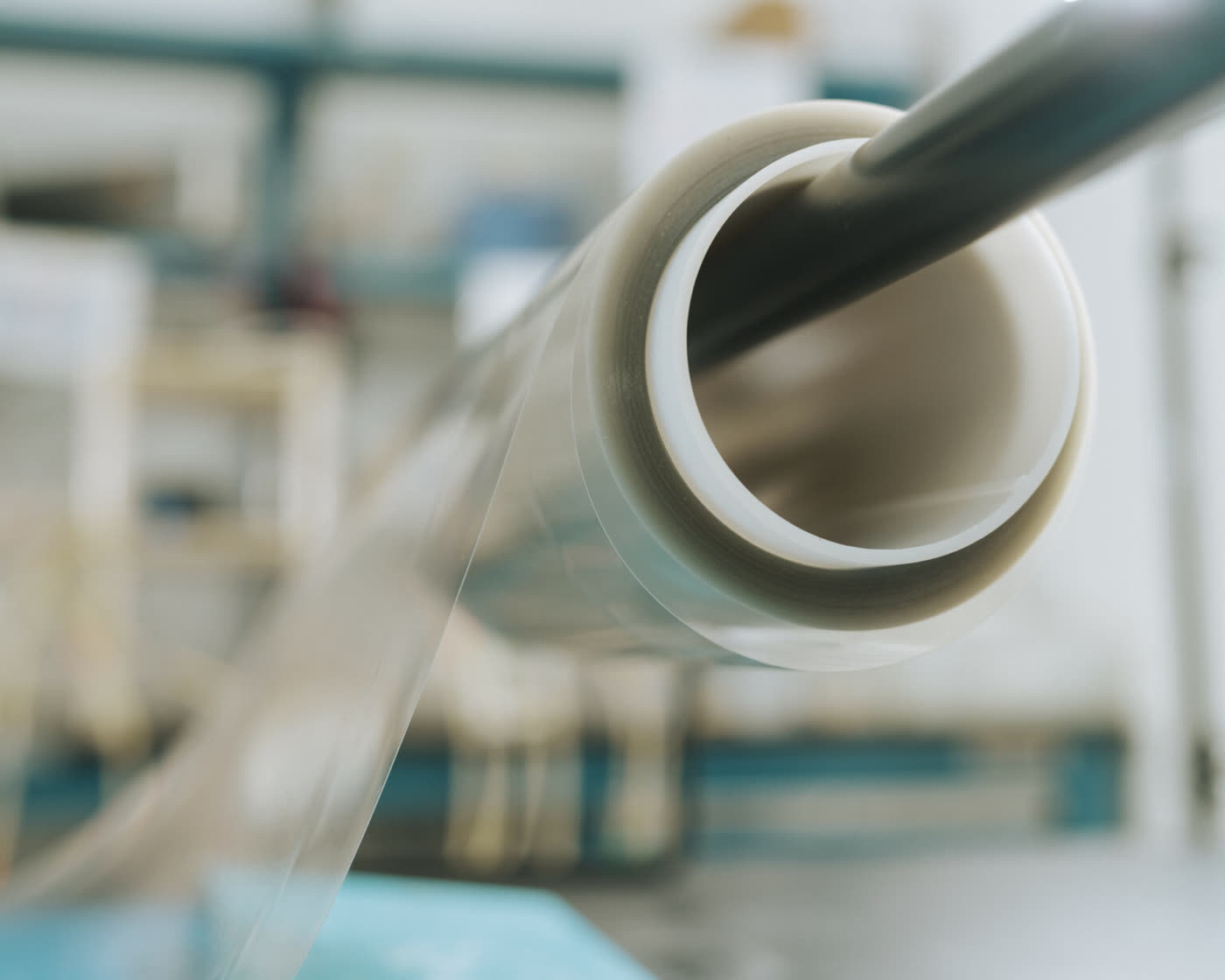
Captura designs and manufactures the membranes, stacks and complete systems in Pasadena, California.
| Performance | Up to 10× leading alternatives (Captura) |
|---|---|
| Current density | 5,000 A/m² |
| Degradation | <10 µV/h over >1,000 hours |
| Membrane | PFAS-free |
| Membrane area | 5–10× less than alternatives (Captura) |
Also used for lithium extraction, desalination, storage and electrochemical capture.
The ocean already does the work.
Dissolved inorganic carbon in seawater is roughly 150× the concentration in air.
Only about 0.5% of the flow passes through softening and electrodialysis.
No sorbents, no additives, no by-products.
Third-party measurements at Captura's pilot ranged from 65% to 98%.
What is proven, and what is not.
Proven by Captura
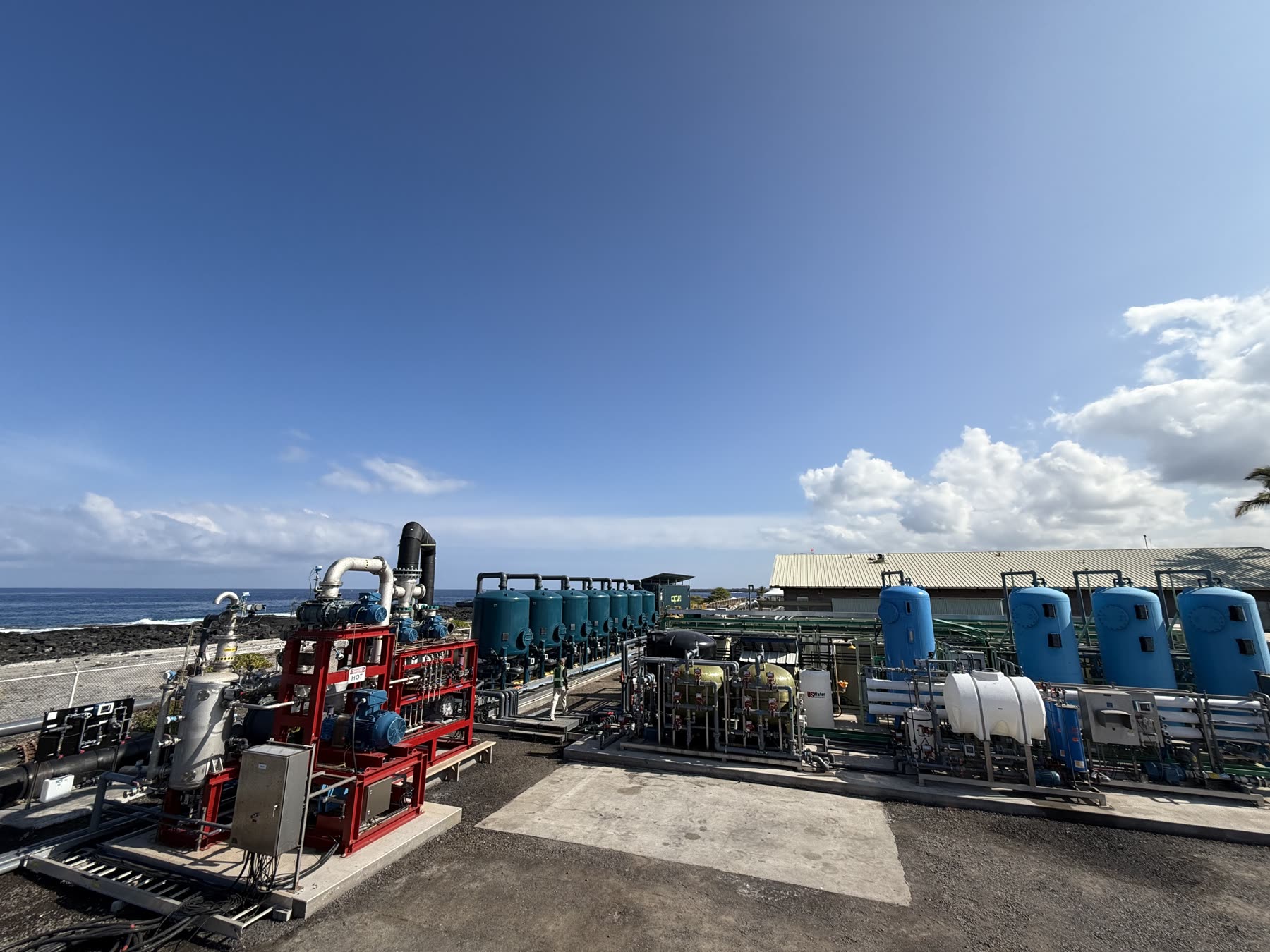
- 1,000 t/yr pilot in Kona, operating since February 2025
- 1 → 100 → 1,000 t/yr scale-up in three steps
- Equinor technical qualification: 20 of 20 indicators, November 2025
- Isometric DOCS methodology, October 2025
Not yet proven
- Long-term cumulative ecological effects at commercial scale
- Energy boundary: Captura cites ~1,800 kWh/t for the system; project estimates use 3,000–3,200 kWh/t for the full plant, including intake, compression and liquefaction
- Seasonal water chemistry at Chinese coastal sites